


More Information
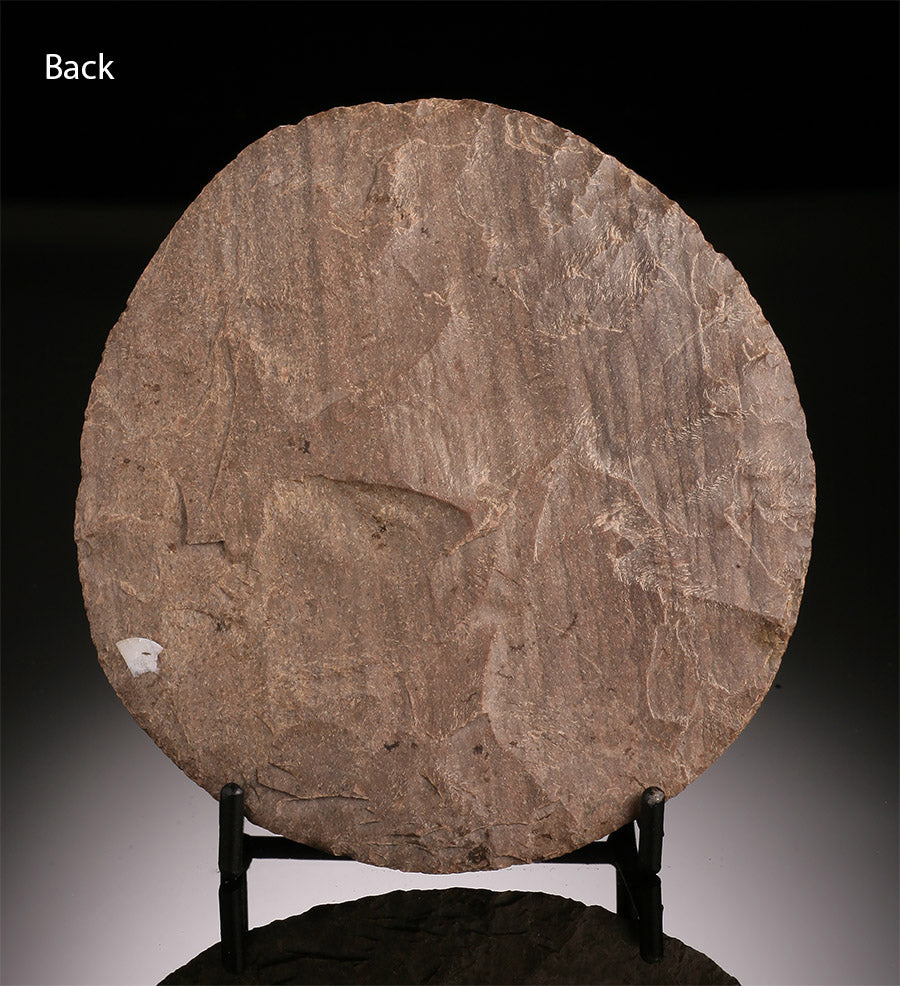
The Neolithic (Neo=new; Lithic=stone) era is also called the New Stone age, which began around 10,000 BC and ended between 4,500 and 2,000 BC. The Neolithic era varies in time span depending on geographic location. The Paleolithic era, which originates in the beginning of human life, continued until the Neolithic revolution. Whereas Paleolithic humans lived a nomadic lifestyle in small groups consisting of twenty to thirty people; Neolithic humans farmed in permanent settlements and raised/herded animals; agriculture was discovered and became a major source of food. The concept of private property and ownership emerged for things such as land, livestock and tools. Neolithic people were shorter and had lower life expectancy, Diseases like tooth cavities and typhoid emerged in the new stone age. Neolithic women had more children because the lifestyle was no longer nomadic. Stone tools were the norm, but began to be more sophisticated, specialized, and were often polished to a fine finish. Rocks with a high percentage of silicium dioxide (SiO2) were best suited for tools, as a sharp blow causes pieces to "flake" off, leaving sharp edges. Polished stone tools were made sharper by grinding the tool with another coarse abrasive rock to remove the chip scars either from the entire surface of around the working edges. At times the tools were also “polished”: a final grinding with a fine abrasive. Scientists consider the creation of all these tools a sign of early human ingenuity.
